A Space for Learning Movement

Systematic practice, mindful observation, gradual progress

The Studio as a Movement Environment

Siphra is a learning environment where people develop movement awareness through systematic body work. Here, you observe your own movements, execute exercises with attention, and gradually expand your movement freedom.

This is not about achieving specific outcomes, but about developing strength, flexibility, and control through a process that respects your individual pace and capacity.
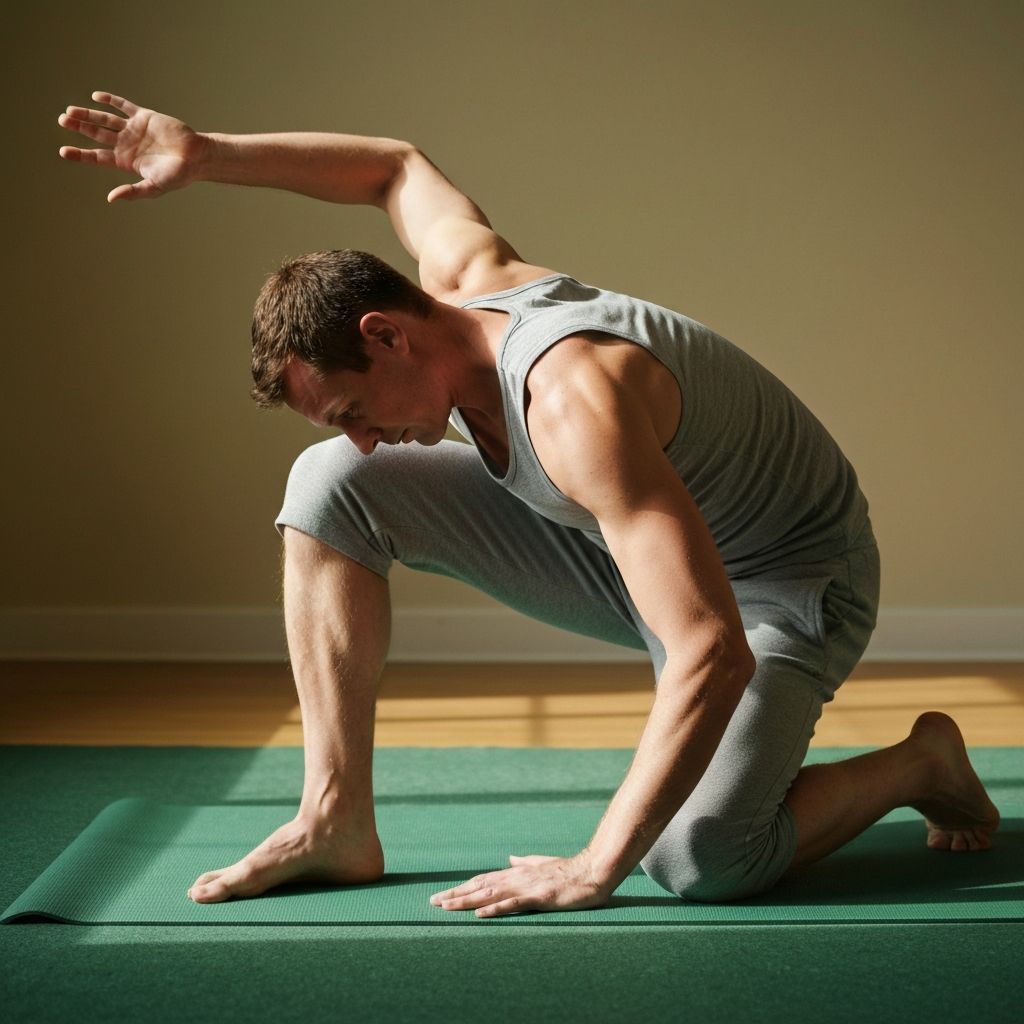
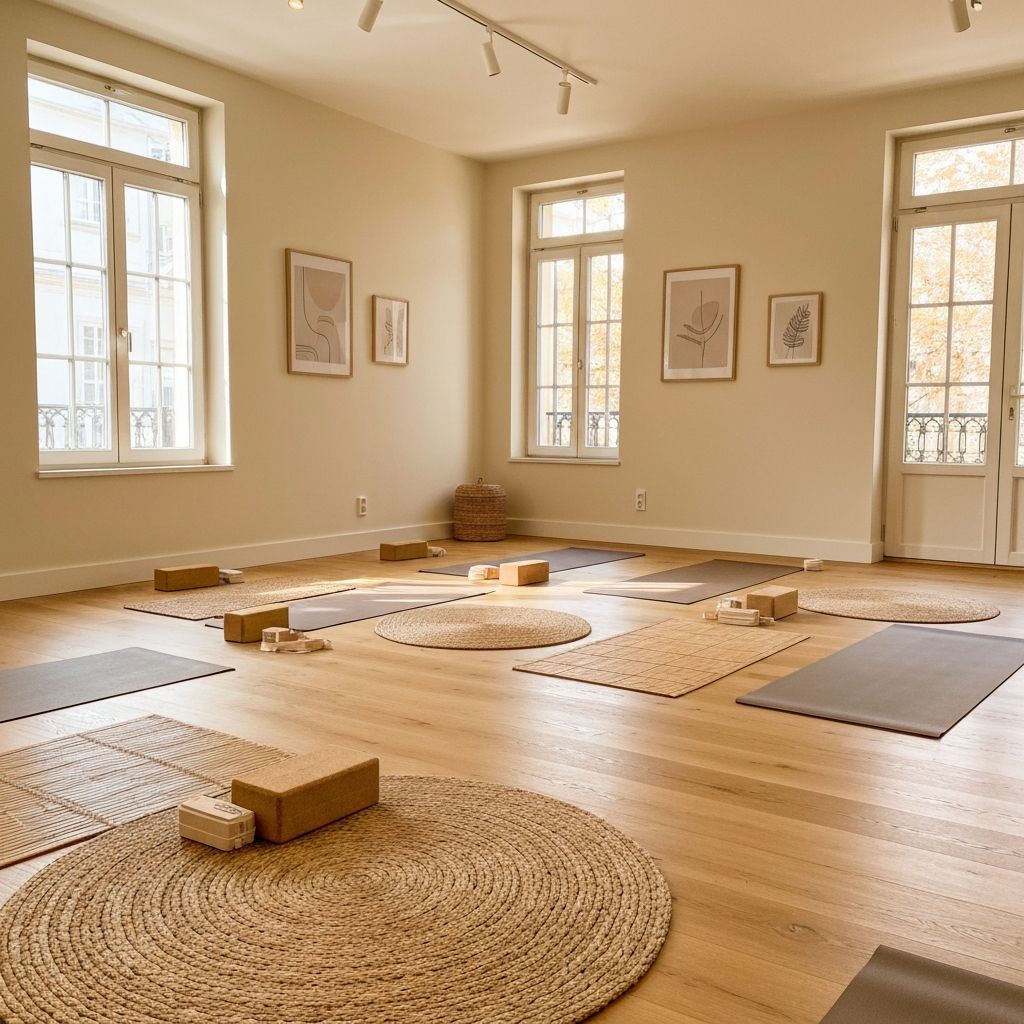
Movement practice space

What Kinesiology Means in Contemporary Practice

In modern understanding, kinesiology is the study and practice of human movement. At Siphra, we approach it as a structured way to learn about your body through movement exploration.

This involves understanding how different parts of your body interact, how to generate and control force, and how to expand your movement vocabulary in ways that support your daily activities.

Learning Movement Rather Than Training

There is a distinction between learning movement and training for performance. Our focus is on developing awareness, understanding principles, and building a foundation that serves you across different contexts.

You explore variations, discover options, and develop the capacity to adapt movement to your needs and circumstances.

Mindful movement practice

How Body Sense Develops

Body awareness emerges through consistent observation and practice. As you perform movements with attention, you begin to notice subtle differences in how your body organizes itself.

Over time, this develops into a clearer sense of position, tension, effort, and coordination. This awareness becomes a resource you can draw on in various situations.

Movement Chains and Their Interaction

Your body functions as an interconnected system. When you reach forward, multiple joints and muscle groups coordinate in sequence. Understanding these patterns helps you move more efficiently.

In practice, you explore how force transfers through your body, how one area influences another, and how different movement strategies produce different results.

Strength Through Control Rather Than Tension

We approach strength as the ability to control force production, not simply to generate maximum effort. This involves learning to modulate intensity, maintain stability, and coordinate complex actions.

Through gradual progression, you develop the capacity to sustain effort, control deceleration, and organize your body effectively under load.

Flexibility as Adaptability

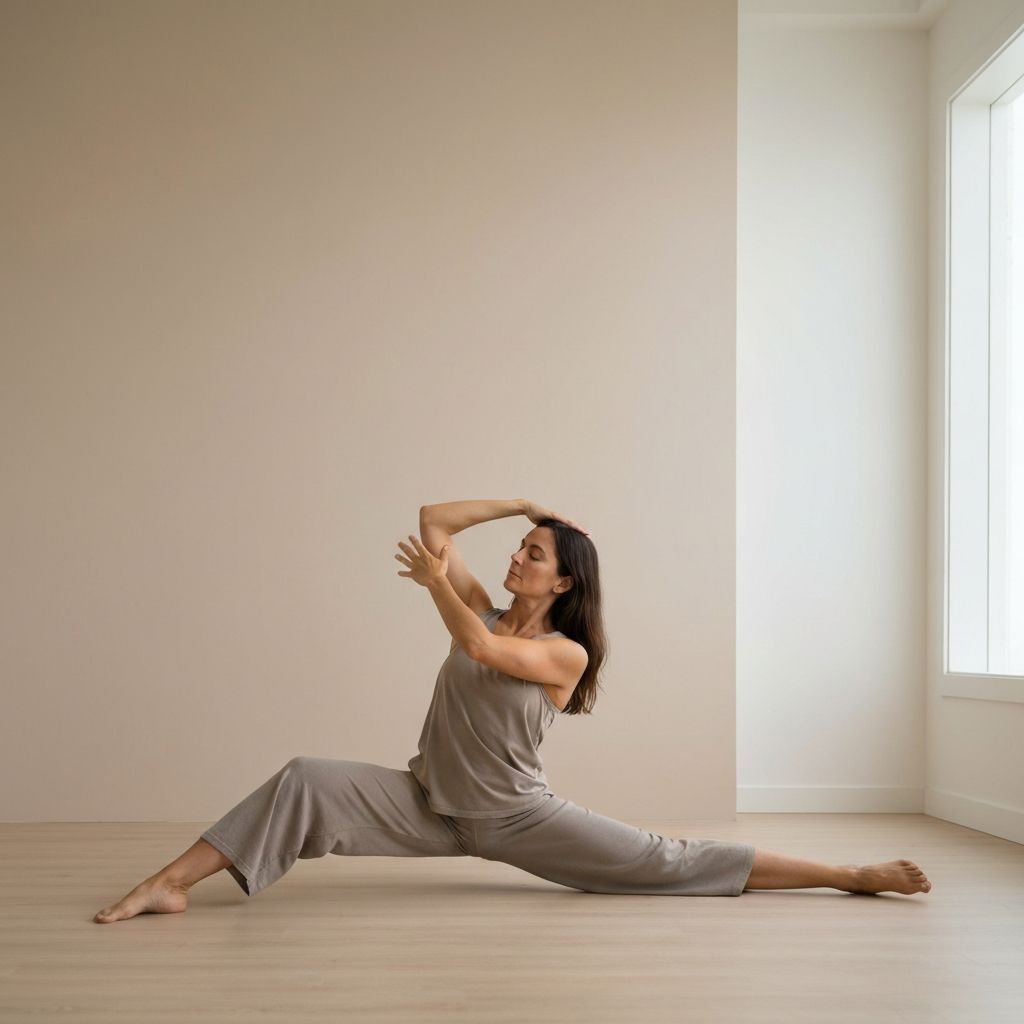
Flexibility is not only about stretching to end ranges. It includes the ability to access different positions, transition smoothly between them, and adapt to changing demands.

This broader view encompasses joint mobility, tissue extensibility, motor control, and the confidence to explore unfamiliar movement patterns.

Flexibility and adaptability

Working with Support and Balance

Understanding how you relate to the ground and how you organize yourself in space is fundamental. Exercises explore different support surfaces, weight distribution, and balance challenges.

This work builds confidence in various positions and improves your ability to recover stability when it's disrupted.

The Role of Slow Tempo

Moving slowly allows you to observe details that disappear at faster speeds. You notice where effort accumulates, where movement hesitates, and how different strategies feel.

This deliberate pace supports learning and helps you develop control before increasing speed or complexity.

Movement Variety in the Studio

Sessions include floor work, standing exercises, transitions, reaching patterns, rotational movements, and load-bearing activities. This variety ensures you develop a broad movement vocabulary.

Different contexts present different challenges and opportunities for learning. No single pattern dominates; instead, you build capacity across a range of movements.

Group Sessions Without Competition

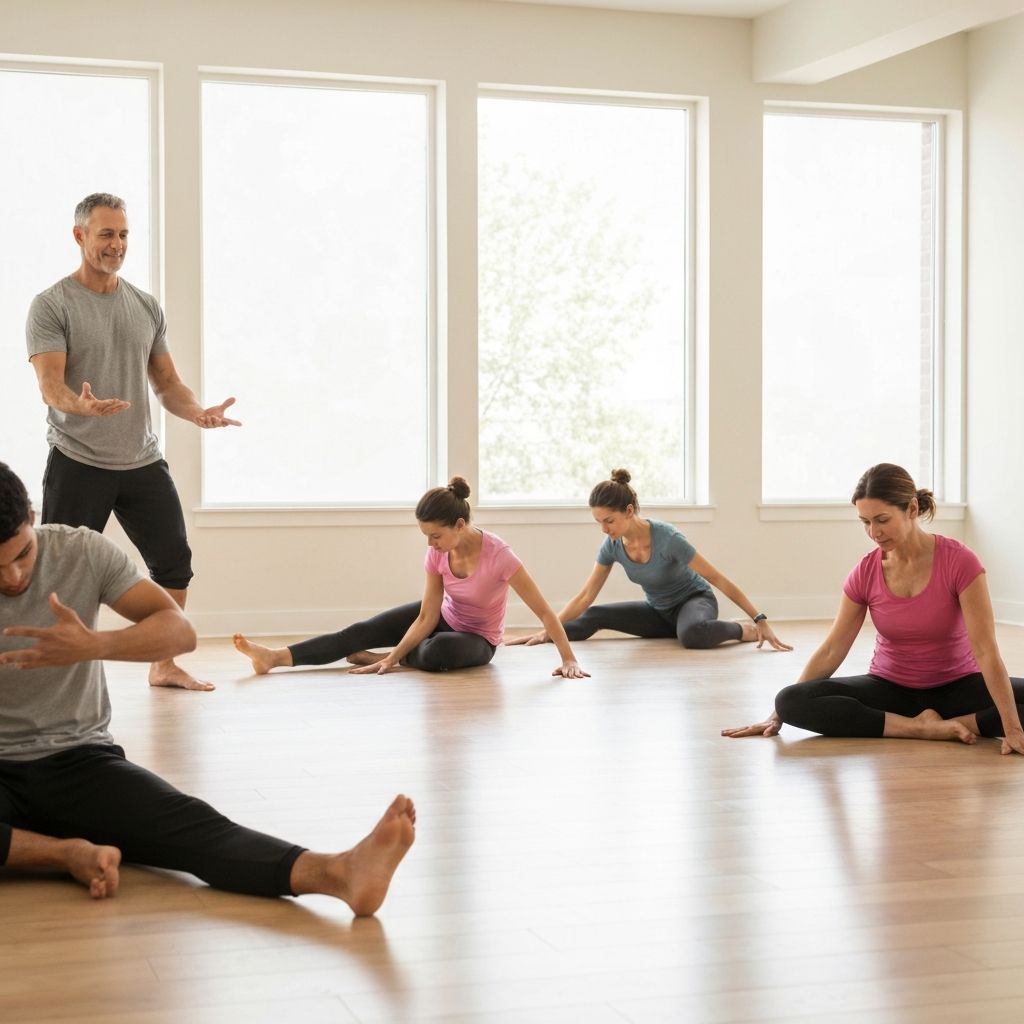
Group classes provide a structured environment without competitive pressure. Everyone works at their own level, exploring the same principles through different expressions.

The group setting offers the opportunity to observe different approaches while maintaining focus on your own experience.

Group movement session

Individual Variations in Execution

Each person brings different proportions, histories, and preferences to movement. What you observe in someone else may look or feel different when you attempt it yourself.

Our instructors guide you toward principles rather than fixed forms, allowing your practice to reflect your individual structure and capacity.

Movement in Daily Activities

The patterns you practice relate to everyday actions: reaching, lifting, transitioning between sitting and standing, carrying objects, navigating uneven surfaces.

By working with these fundamental movements in the studio, you develop resources that apply beyond the practice environment.

How Instructors Support the Process

Movement and body awareness instructors at Siphra observe your practice, offer adjustments to help you understand principles, and suggest variations that match your current capacity.

They provide structure and guidance while respecting your pace and individual learning process. Their role is to facilitate your exploration, not to impose fixed outcomes.

Experience of Studio Visitors

People who attend regularly often describe developing a clearer sense of how they move, greater confidence in different positions, and improved ability to modulate effort.

Some notice that daily activities feel less effortful. Others appreciate having a structured space to work with their bodies systematically. Each person's experience reflects their own engagement with the process.

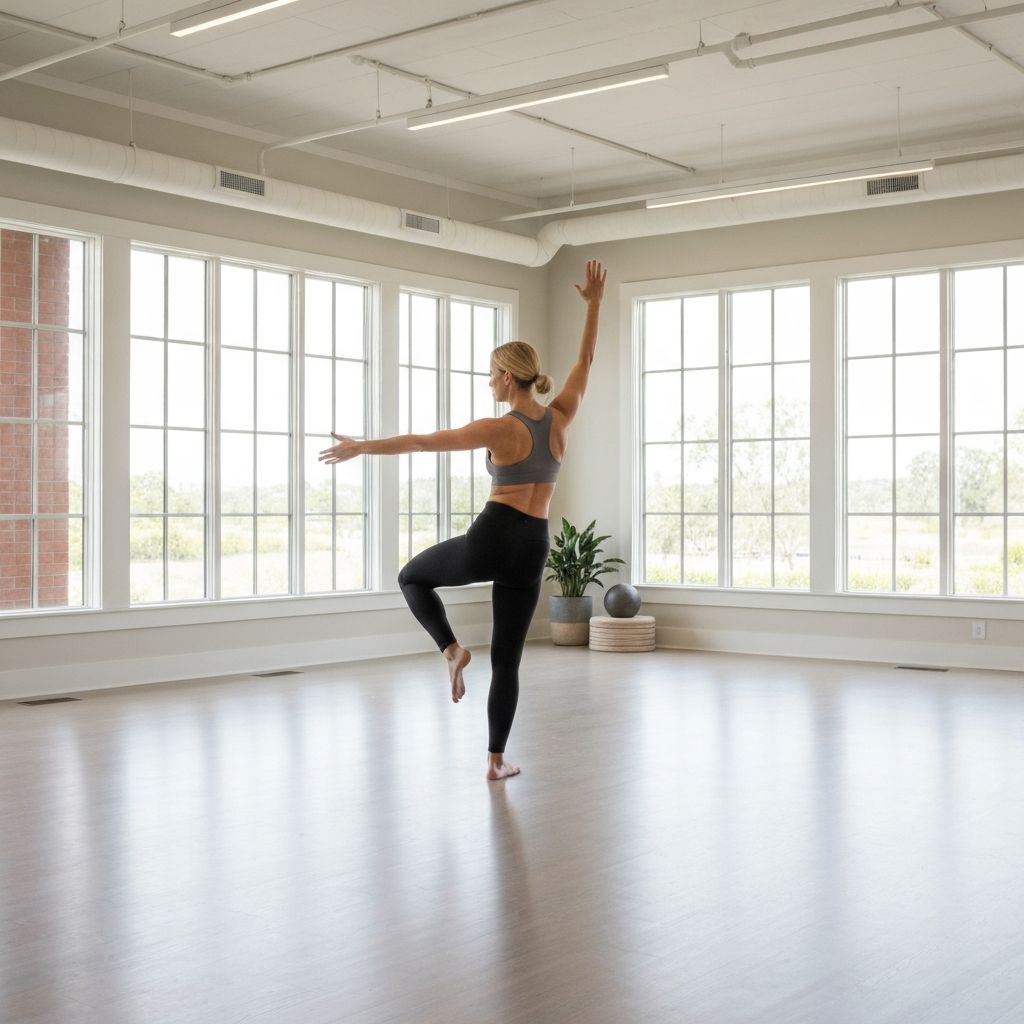
Studio learning environment

Common Questions

Who typically attends?

Our studio welcomes people aged 30 to 65 who want to develop their movement practice. Many have sedentary work routines and are looking for systematic physical activity that doesn't require intense exertion.

What should I expect in a session?

Sessions last between 60 and 90 minutes. You'll work through a sequence of movements, exploring different positions and patterns. Instructors provide verbal guidance and occasionally demonstrate options.

Do I need previous experience?

No prior experience is necessary. Movement patterns are introduced progressively, and instructors offer variations suitable for different levels of familiarity.

What do I need to bring?

Wear comfortable clothing that allows free movement. The studio provides mats and other equipment. Bring water if you prefer to have it available during practice.

How often should I attend?

Consistency supports learning more than frequency alone. Many people find that attending once or twice weekly allows them to integrate what they're exploring while maintaining continuity.

Expand Your Understanding

If you'd like to explore how systematic movement practice might fit into your routine, or if you have questions about the studio environment, we're available to provide further information.

Explore Related Knowledge